In this guide
TL;DRThe short version
- The UAE Ministry of Interior has listed six safety checks for drivers planning long-distance road trips. According to Gulf News, the ministry urged motorists to inspect their vehicles before setting off.
The UAE Ministry of Interior has listed six safety checks for drivers planning long-distance road trips. According to Gulf News, the ministry urged motorists to inspect their vehicles before setting off.
The UAE Ministry of Interior has listed six safety checks for drivers planning long-distance road trips. According to Gulf News, the ministry urged motorists to inspect their vehicles before setting off.
The guidance covers routine maintenance, the engine cooling system, tyres, brakes, vehicle lights and turn indicators, radiator water level, and engine oil. Gulf News reported that the ministry says these measures help keep vehicles roadworthy and help prevent breakdowns on long journeys.
The six checks
Here is what the ministry says to inspect before a long drive, as reported by Gulf News:
- Keep up with routine vehicle maintenance before the trip
- Inspect the engine cooling system
- Check that tyres and brakes are in good condition
- Ensure all lights and turn indicators are working properly
- Verify the radiator water level to prevent overheating
- Inspect engine oil levels before you leave
None of these checks requires specialist tools or a garage visit. Most take only a few minutes. You can do them on your driveway before you start the engine.
Why summer makes this more urgent
Driving in the UAE during summer puts vehicles under stress that drivers in cooler climates rarely face. Ambient temperatures regularly exceed 40°C. Road surface temperatures can climb much higher. That combination accelerates tyre wear. It also raises the risk of engine overheating. Coolant and oil levels can drop faster than usual.
A tyre blowout or engine failure on a UAE highway can turn a routine trip into a dangerous situation. That risk is higher on quieter stretches between emirates. Roadside assistance on remote routes can take longer than in urban areas. Prevention matters more than it might seem.
Summer is when many UAE residents drive to neighbouring emirates or across the border to Oman. Longer trips in high heat are exactly when these failure points tend to show up.
How to work through the list
If you are not confident doing these checks yourself, most petrol stations and quick-service garages across Dubai and the wider UAE will run a basic inspection. It is often a small fee, and sometimes free. Dealership service centres can carry out a more thorough pre-trip check. Booking ahead is advisable during busy periods.
For tyres, check both pressure and tread depth. An underinflated tyre in summer heat is a known blowout risk. Tread depth affects braking distance on hot roads. Tyre pressure should be checked when the tyres are cold, before driving.
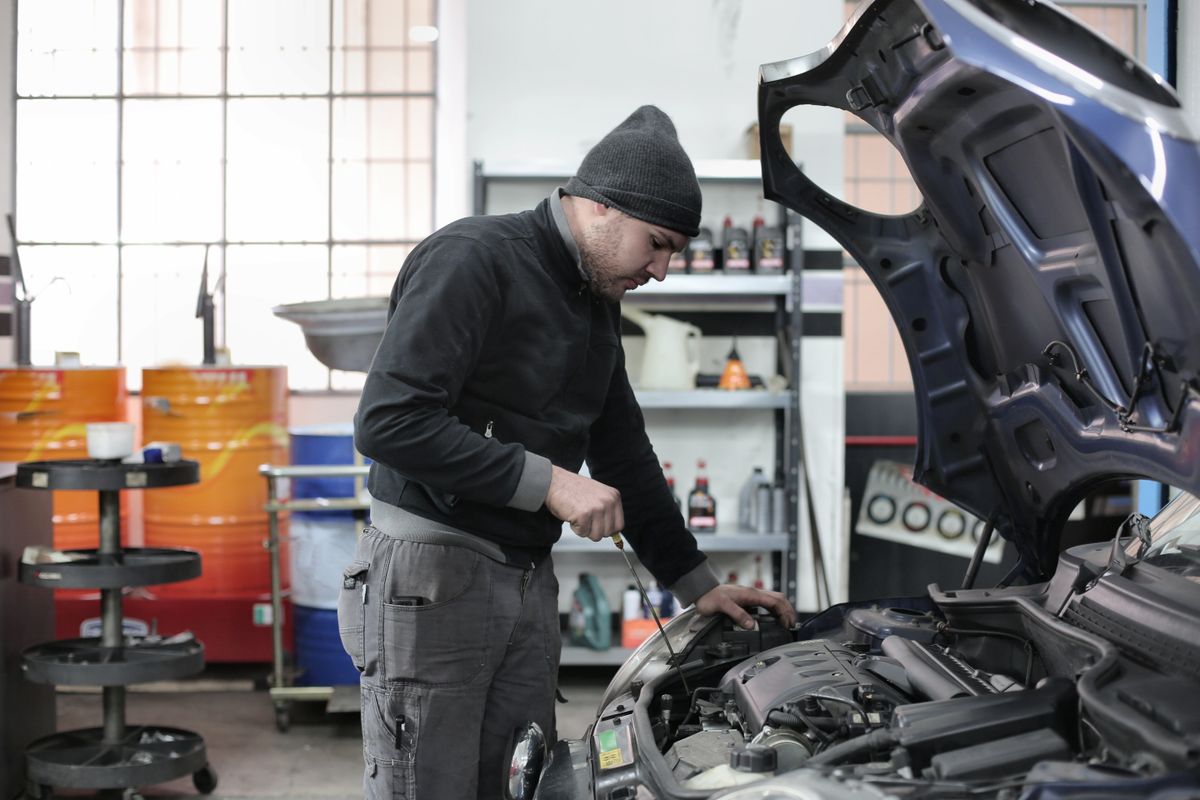
For engine oil and coolant, the dipstick and reservoir checks take under five minutes. If either is low, top up before you leave. Do not wait for the first stop on the highway.
Lights and indicators are easy to overlook. They matter for night driving. They also matter in sandstorm or low-visibility conditions. Both can appear on inter-emirate routes at any time of year.
According to Gulf News coverage of the ministry guidance, the checks are about roadworthiness before a long journey, not a full mechanical overhaul.
A simple order to follow
Begin outside the car while the engine is cool. Look at the tyres and lights first, then open the bonnet for the oil, radiator water, and cooling-system checks. Finish with the brakes and any routine service items listed in the vehicle handbook. This order keeps the quick visual checks together and makes it less likely that a fluid or tyre issue is forgotten.
If a warning light is on, a tyre is visibly damaged, or a fluid is leaking, do not treat the checklist as a substitute for repair. Arrange professional help before leaving. Put a phone charger, drinking water, and roadside-assistance details in the car so a small delay does not become a larger problem.
Practical takeaway
Before any long drive, work through the six ministry checks: maintenance, cooling system, tyres, brakes, lights and indicators, radiator water, and engine oil. Cold-check tyre pressure. Top up fluids at home if needed. Book a garage if you prefer a second pair of eyes.
The Ministry of Interior's road safety guidance is available through its official channels.
💬 Do you run through a checklist before a long drive, or is it something you tend to skip?